25-31 October, 2025
The fieldwork in Lithuania was extremely intense and productive, but also enjoyable, thanks to our wonderful hosts.
We were first welcomed by the Panevėžys NOW development agency, represented by Vilanda Reikalienė. She took us to “Glasremis”, an artistic glass studio that was established following the economic transition. We then visited the still-functioning Panevėžys Glass Factory, where we had the opportunity to observe the production process first-hand. Later, we explored the administrative building of the Panevėžys Sugar Factory, which was designed by the renowned architect Arnas Funkas. Inside the building, we also appreciated the exhibition dedicated to his works. Vilanda also gave us a full presentation of their agency and the activities they organise to make the city of Panevėžys more vibrant and attractive, presenting it as a post-industrial town.
The next day began with a visit to the city of Panevėžys and its most interesting attractions, including the Rubenstein Water Mill and Spirit Factory in the city centre. Afterwards, we were given a tour of the Kalnapilis brewery, where we saw the production process. A visit was also paid to the Panevėžys Regional Museum for the purpose of viewing its displays on the city and its industrial past. We also visited one of the newest museums in Lithuania, the STASYS Museum, which is dedicated to the works of Stasys Eidrigevičius, a contemporary Lithuanian artist who currently lives in Warsaw.
On our last day in Panevėžys, the MEPOST team visited a narrow-gauge railway depot that now operates as a private business. We also enjoyed a great guided tour of the underground water reservoir in Aukštaitija, which is no longer in use. Nowadays, artists can use this interesting space for creative projects and fashion shows. Finally, we saw the grounds of the former “Ekranas” colour kinescope manufacturer. The majority of our team departed at this time, but Joanna and Rimantė carried on with the museum tour and sightseeing in two other post-industrial cities in Lithuania.
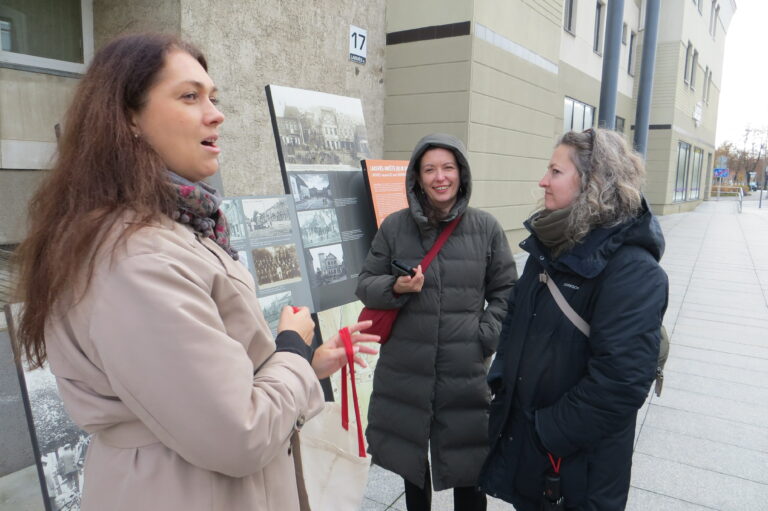
Šiauliai, the ‘City of Sun’, greeted us with cold but pleasant weather, as well as a friendly guide named Monika. With her, we took an industrial tour around the city to see the older factories, most of which no longer exist, and the new companies that have emerged since the end of the socialist era. While in Šiauliai, we managed to visit the Gubernija Brewery, which claims to be the oldest enterprise in Lithuania, founded in 1665. There is also a small exhibition inside dedicated to the brewery’s history, as well as an AI bar. Rūta’s chocolate museum was an unmissable destination for us, as it tells the history of not only the factory itself (which was built in 1913), but also of chocolate production around the world. Rimantė and Joanna also visited the Valerijonas pharmacy in the city centre, which had been furnished with exhibits from the former antique pharmacies in Šiauliai.
Joanna and Rimantė were also keen to visit the public museums. One of the most interesting museums was the Water Management Museum, which is housed in a former water tower. Its exhibition has not changed much since 1974, so it felt like stepping into a time machine. However, the museum is now ready for renovation. We also visited the museums belonging to the “Aušros” museum umbrella. These include the Bicycle Museum, the Radio and Television Museum, the Šiauliai History Museum, and the impressive Chaimas Frenkelis Villa-Museum. Frenkelis was one of the first and most important industrialists in Šiauliai. Unfortunately, most of his former shoe factory buildings are now abandoned, but the city is slowly starting to recognise the value of this industrial heritage.
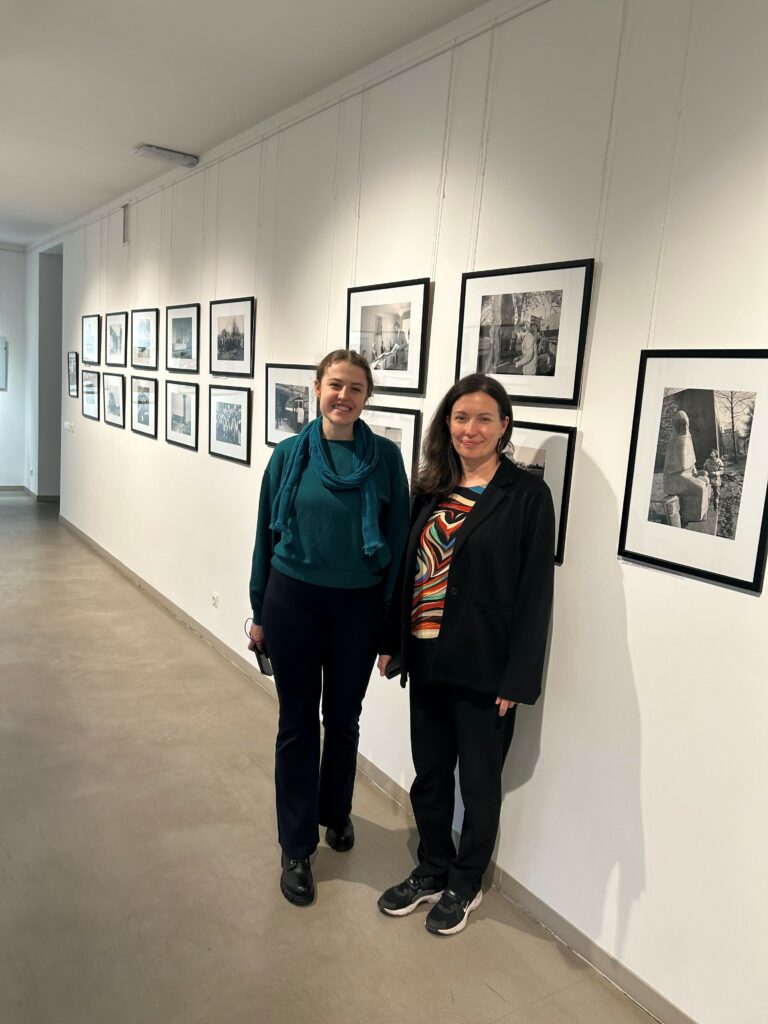
The last day of our tour focused on Mažeikiai, a town that transformed into an industrial hub due to the establishment of an oil refinery. We were greeted at the ORLEN-managed refinery by the Deputy Director of Communications, Kristina. We were given a rare opportunity to explore the complex, learn more about the refinery, see the temporary photo exhibition “Mažeikiai in the flow of time”,and meet some of the specialists who have worked there for decades despite management changes. Finally, we visited the Mažeikiai Regional Museum and the Orlen-sponsored exhibition, which demonstrates how oil is produced and its various uses. Lilija, the curator and cultural activities manager at the Mažeikiai Museum, showed us the Mažeikiai train station that artists are trying to bring back to life.
This intense exploratory week in Lithuania’s post-industrial cities provided us with many impressions and food for thought. Hopefully, some of the sites and museums we visited will feature in our publications in the near future.